Laboratory confirmation testing
When drug and alcohol screening produces a non-negative result, laboratory confirmation testing provides accurate, independent analysis through trusted UKAS-accredited laboratories. We manage the entire confirmation process, giving employers legally defensible results they can rely on.

Why laboratory confirmation matters
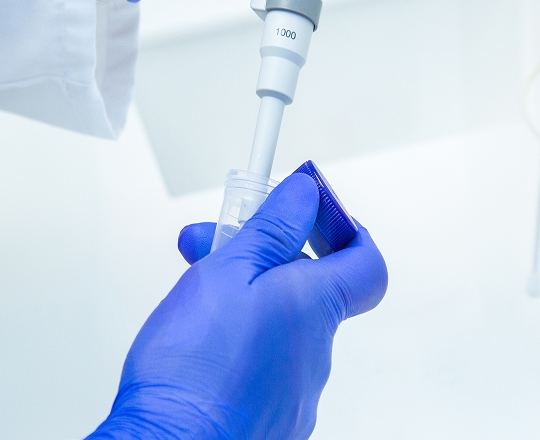
Initial screening tests provide rapid results, but laboratory confirmation testing provides detailed confirmation analysis using highly sensitive laboratory methods. This additional level of testing supports accurate decision-making and provides employers with confidence in their results.
Laboratory confirmation testing is critical to:
This is particularly important in workplace environments where drug testing results may inform disciplinary, contractual or legal processes.
When is laboratory confirmation testing required?
Laboratory confirmation testing is typically required whenever a screening result must be independently verified before decisions are made. It provides certainty where workplace, legal or regulatory requirements demand a higher level of evidence than an initial screening test alone.
Non-negative screening results
Workplace disputes
Legal or disciplinary processes
Regulatory requirements
Situations requiring increased confidence
How laboratory confirmation testing works
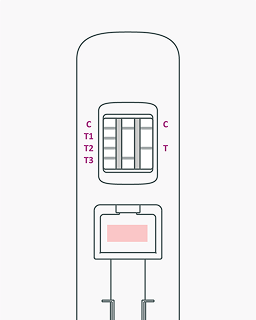
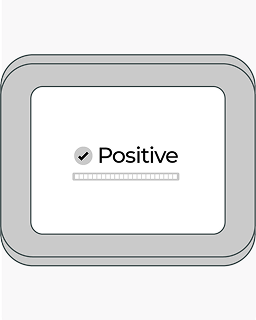
Initial screening identifies a non-negative result
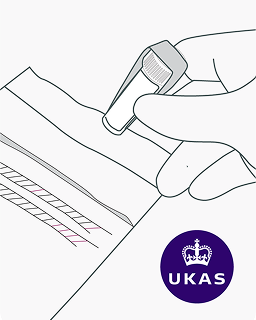
The sealed sample is transferred to a UKAS-accredited lab
Scientists perform confirmatory analysis using GC-MS or LC-MS
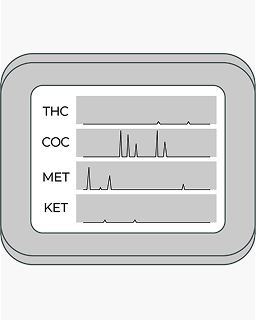
The laboratory identifies and measures specific substances present
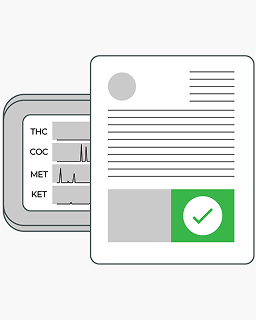
Results are verified and reported with full documentation
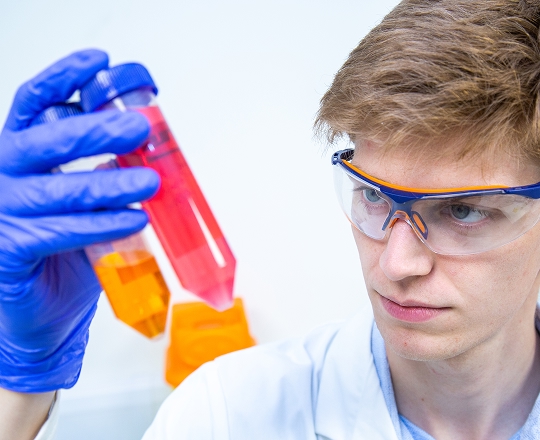
Delivered through trusted UKAS-accredited partner laboratories
SureScreen Diagnostics works with carefully selected UKAS‑accredited partner laboratories to deliver high-quality confirmatory drug testing in line with EWDTS guidelines. We manage the end‑to‑end confirmation process, ensuring samples are handled correctly and securely, full chain of custody is maintained, and results are reported clearly, confidentially and without unnecessary delay.
This allows organisations to benefit from accredited, legally defensible laboratory confirmation testing without the complexity of managing laboratory relationships directly.
Support legally defensible testing
Ensuring chain of custody & legal defensibility
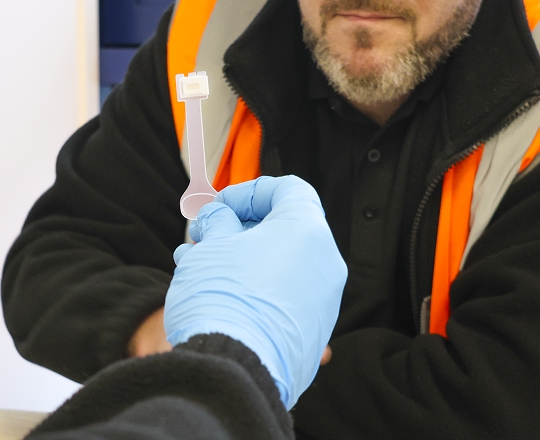
In workplace drug testing, how a sample is collected, handled and documented is just as important as the result itself.
-
Evidentially sealed sample collection
-
Secure documentation and tracking
-
Full, auditable chain of custody procedures
-
Clear reporting suitable for internal review, audit or investigation
This ensures confirmatory results can be confidently relied upon where decisions may be challenged or scrutinised.
Supporting workplace drug testing programmes
Laboratory confirmation plays a vital role in ensuring workplace drug testing remains:
We help organisations integrate laboratory confirmation testing into their wider workplace drug and alcohol testing programmes, reducing risk and support confident, informed outcomes.
Why choose SureScreen Diagnostics for laboratory confirmation?
We deliver confidence at the point where accuracy and compliance matter most.
Access to trusted UKAS-accredited partner laboratories
End-to-end management of the confirmatory process
Accurate, reliable and legally defensible results
Expert guidance and support
Clear chain of custody throughout the testing process

Laboratory confirmation FAQs
What is laboratory confirmation testing?
Laboratory confirmation testing is confirmatory drug testing carried out by laboratories accredited by the United Kingdom Accreditation Service (UKAS), ensuring recognised standards of accuracy, quality, and reliability.
Do you operate your own laboratory?
No. We work with trusted UKAS‑accredited partner laboratories and manage the confirmation process on your behalf.
When is laboratory confirmation testing required?
Laboratory confirmation is used when a screening test returns a non‑negative result that requires verification and legally defensible analysis.
Why is laboratory confirmation testing important for workplace drug testing?
Laboratory confirmation testing provides accurate, legally defensible results by confirming non-negative screening tests using highly sensitive analytical methods.
Are laboratory results legally defensible?
Yes. When supported by appropriate procedures, documentation and chain of custody, UKAS laboratory confirmation results are considered legally defensible.
What is a UKAS-accredited laboratory?
A UKAS-accredited laboratory has been independently assessed to ensure it meets recognised standards for quality, competence and the accuracy of its testing standards.
What methods are used for laboratory confirmation?
UKAS-accredited laboratories typically use highly sensitive analytical techniques such as GC-MS or LC-MS to identify and quantify substances accurately.